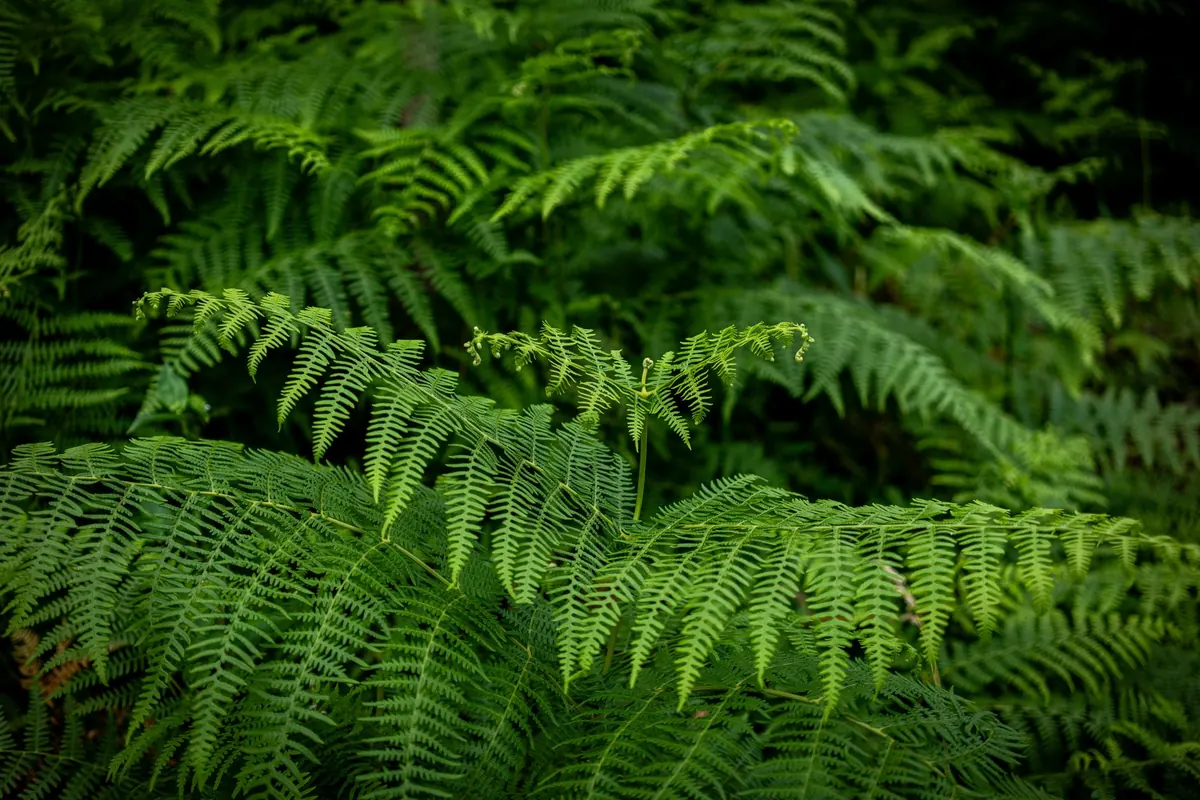
You are half a mile into a wood, the path swings into a clearing, and a waist-high thicket of stiff green fronds blocks the way. Bracken, or a fern? The honest answer is both — which is exactly why the question trips people up. Bracken is a fern, but it is one that behaves like nothing else in the British countryside: it spreads, it towers, it collapses into rust-coloured ruin every autumn, and it rarely grows where a woodland fern would feel at home. Learn four or five things to look at, and you can call it in seconds, in any month of the year.
Pteridium aquilinum is a true fern, and a spectacularly successful one. When a walker asks "fern or bracken?", they mean bracken or everything else — the male ferns, lady ferns, hard ferns, harts-tongue and shield ferns of damp shade and old walls. So this is not a botanical split. It is a practical one, and it is worth having, because bracken tells you something about the soil and the light that most ferns do not.
Ignore the leaflets for a moment and look at how the plant is built.
Turn a frond over in late summer. Bracken does not carry neat brown dots or kidney shapes on the underside. Its spore cases sit in a continuous line along the very edge of each leaflet, hidden under a thin fold of the leaf margin. Every fern with round, discrete sori — male fern, shield ferns, buckler-ferns — is something else. Lady fern, by contrast, has sori shaped like small commas or hooks, plenty visible without a lens.
Bracken croziers push up singly and unfold into a tripod: one coil that quickly splits into three main branches. It is a distinctive shape once you have seen it twice. A male fern crozier stays a single tight coil, wrapped in brown scales, and unfurls into a shuttlecock of fronds from one crown.
This is peak bracken, up to two metres in good ground, standing above bramble and heather. The undersides dust your trousers with pale spores in July and August. If you are working in a stand, that dust is worth avoiding — wear long sleeves and a mask rather than breathing it in.
Bracken turns first yellow, then a deep rust, then collapses. Nothing else in a wood does this on the same scale: an acre of soft brown collapse is almost always bracken.
The giveaway season. Bracken leaves a flat, brittle litter of dead stalks with no green whatsoever. Any fern still looking green, glossy and alive in January — harts-tongue on a shaded bank, hard fern in a hedge bottom, polypody on a wall — is not bracken. Be cautious though: lady fern, oak fern and beech fern are deciduous too, and simply vanish into the leaf litter.
Bracken is a plant of dry, acidic, leached soils. Think heathland edges, sandy banks, forestry clearings, coastal slopes, railway cuttings and the sunny fringes of open woodland. It dislikes waterlogged ground, lime-rich soil and deep shade. If you are standing in a damp, mossy gully under heavy canopy, you are in fern country. If the path is dry, sandy and sunlit, and the trees are birch and oak, expect bracken.
In spring, the young fronds of male fern and lady fern look superficially like bracken croziers; check for scales, and remember the tripod. In summer, broad buckler-fern in a clearing can look tall and coarse, but it grows in a distinct clump with round sori underneath. Hard fern keeps its comb-like sterile fronds green all winter and never reaches bracken's height.
Bracken is poisonous. All parts of it, including the fiddleheads, contain compounds that are harmful to livestock and people, and the spores are best not inhaled. Do not forage it, do not add it to a salad, and do not assume that because something is eaten elsewhere it is safe to pick here. If you think you or a pet has eaten bracken, contact a medical professional or NHS 111 promptly. Wear gloves and long sleeves when clearing it, and wash your hands afterwards.
Next time you meet a suspicious stand, run this in order:
Two or three yes answers is enough. Bracken is a marvellous plant — it shelters adders, nightjars and a whole community of invertebrates — and it is also an aggressive one that swamps heath and grazing land when left alone. Knowing which is which is the first step to reading a wood properly.
Photo: ze k / Pexels
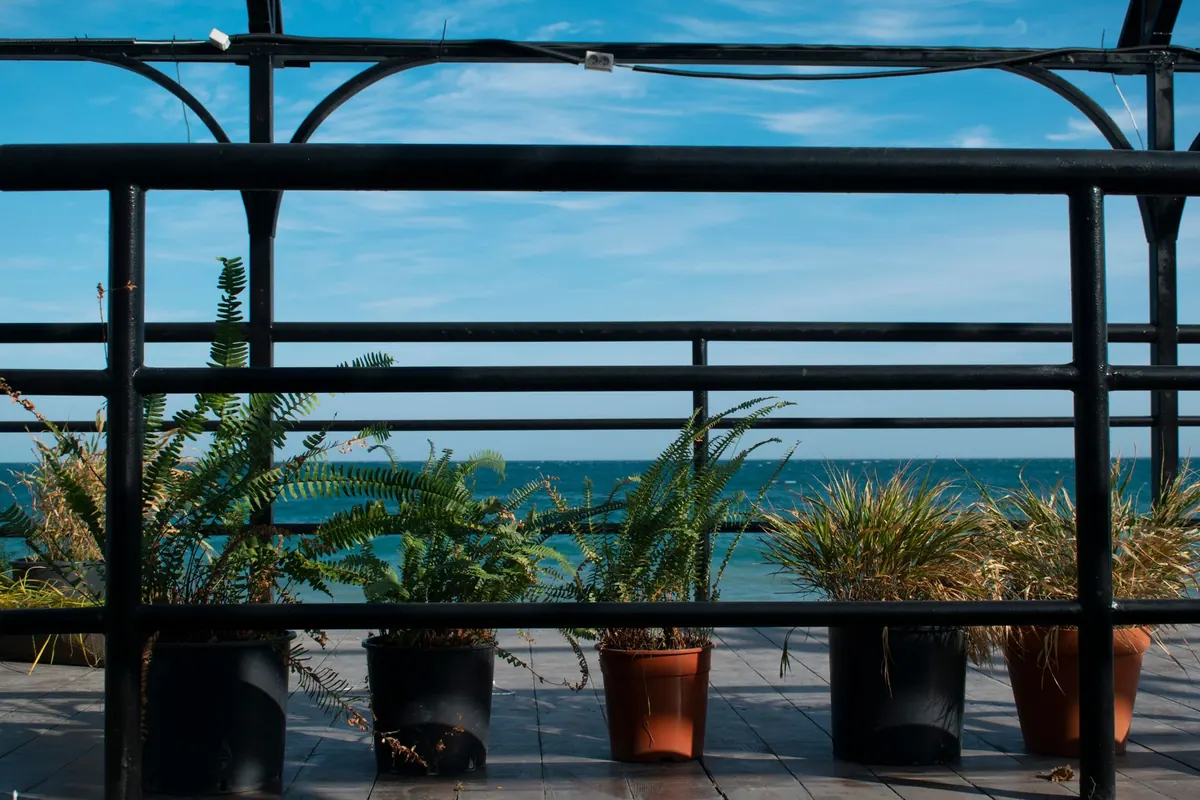
Compact ferns for pots and narrow, shady courtyards, chosen for spring, summer, autumn and winter interest, with...
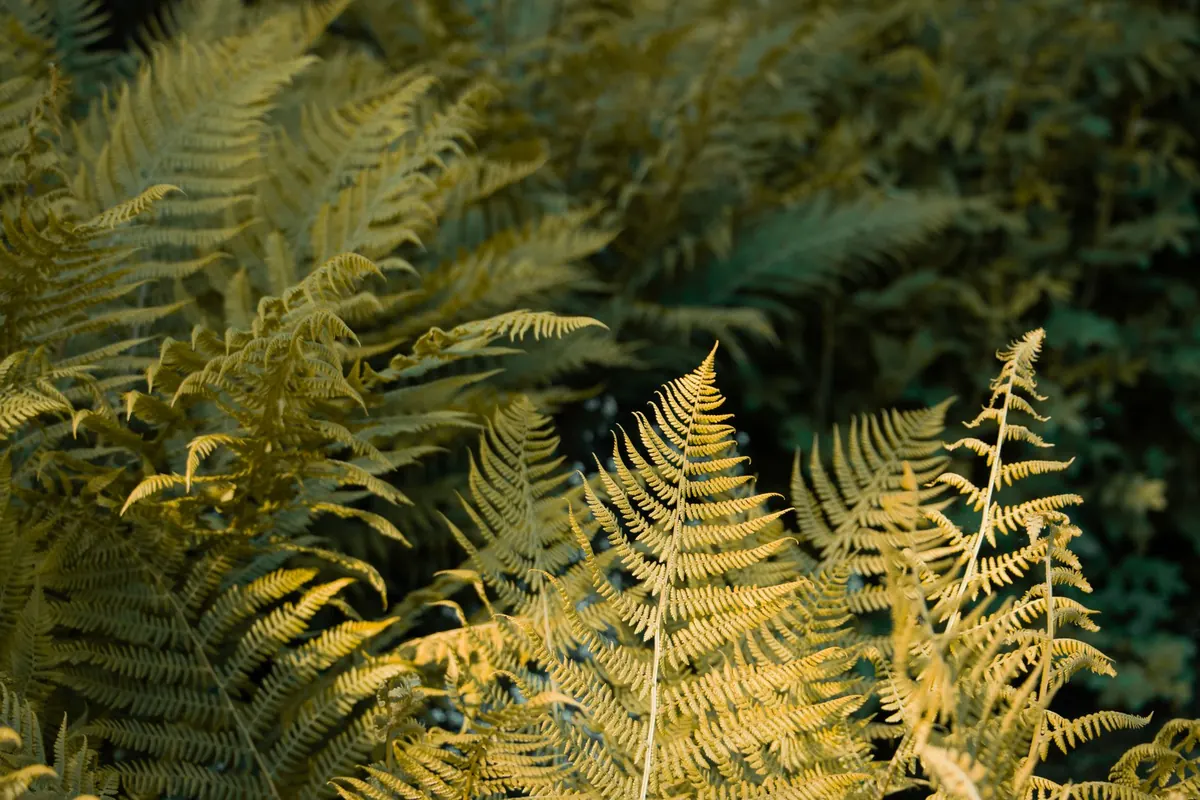
Eight planting combinations that carry a damp, shady UK border through the year, pairing ferns with hellebores,...
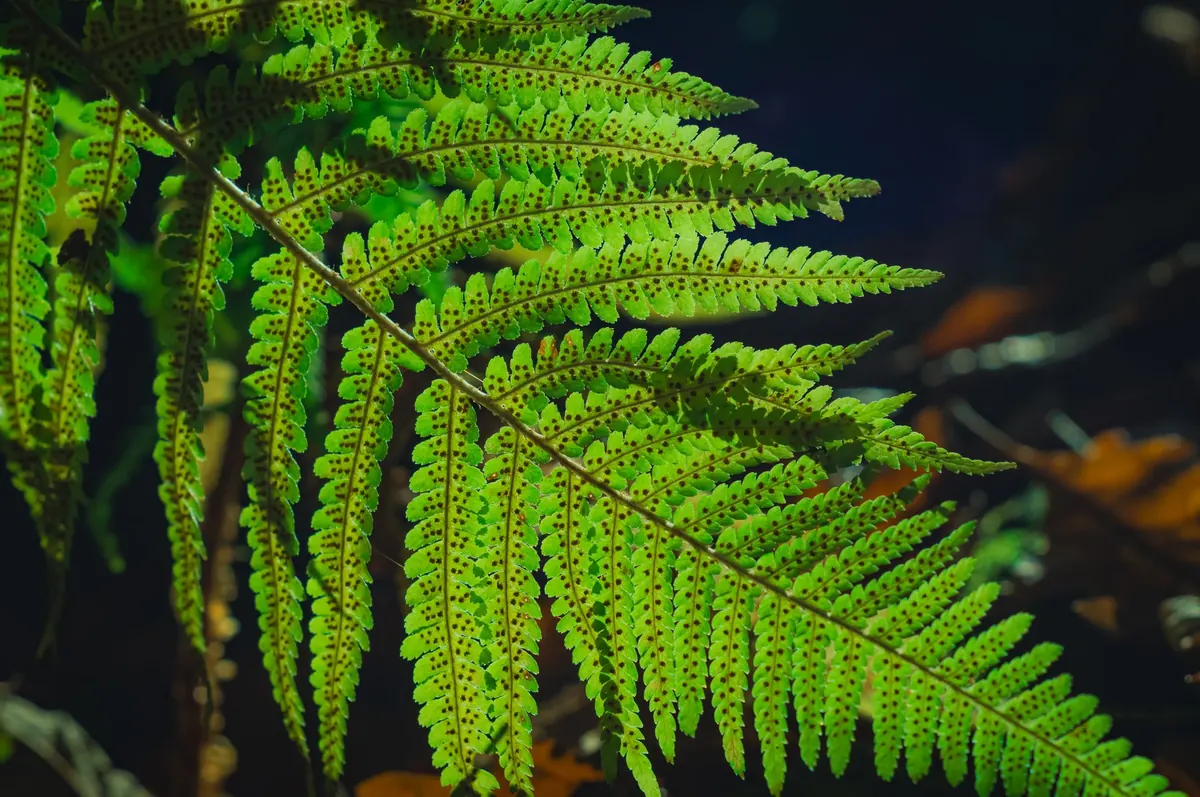
A step-by-step guide to collecting, sowing and raising ferns from spores in the UK, from the first green film to...

Your guide to growing and identifying ferns.
