
Walk into almost any garden centre in Britain and you will find these two ferns sitting a few feet apart, often under the same “easy-care houseplants” sign. Only one of them means it. Boston ferns (Nephrolepis exaltata) cope with the dry air of a centrally heated living room far better than maidenhair ferns (Adiantum raddianum), which will punish one forgotten watering with a cascade of brown leaflets. That does not make maidenhairs a bad choice. It just means you should know what you are taking on before you carry one to the till.
If you want a fern that tolerates ordinary household conditions, buy a Boston. If you want that delicate, almost lace-like look, you can absolutely grow a maidenhair — but plan to give it a bathroom windowsill, rainwater, and a glance most days. Both are non-toxic to cats and dogs, which matters in a lot of UK homes, and both are happiest somewhere between roughly 16°C and 24°C.
Boston ferns come from humid subtropical forests, but they are adaptable. In a typical British home they will manage, although you may well see crisp brown edges on the fronds by February once the heating has been running for months. Raise the humidity and those edges stop appearing on new growth.
Maidenhairs are far less forgiving. Their thin, papery leaflets lose water quickly, and dry air starts to show on them fast. Central heating, sunny windowsills and draughty hallways all work against them.
Ways to lift humidity that actually work:
Misting gives a short-lived boost and can leave chalky spots if your tap water is hard, so treat it as a top-up rather than a solution.
Both ferns want bright light without direct sun, and in most UK homes that means an east- or north-facing window. A south-facing window will scorch them in summer unless you pull the curtain or stand the plant a metre back.
Bostons will take a little more light, and even a touch of early morning sun; their thicker fronds cope better. Maidenhairs burn quickly — pale, bleached patches on the leaflets are the giveaway — but they also sulk in deep shade, producing long, bare stems with few leaflets. Rotate the pot a quarter turn each week so the plant does not lean permanently towards the glass.
Boston: let the top two or three centimetres of compost dry before watering, then water thoroughly until it runs out of the drainage holes. Empty the saucer. A Boston that has gone too dry will droop dramatically and often perks up within hours of a good soak.
Maidenhair: aim for compost that is consistently moist but never sodden. In summer that can mean checking every day or two. Let it dry out completely and the fronds turn straw-coloured within a day.
Water quality matters more for maidenhairs. In hard water areas — London and much of the south-east — tap water leaves mineral deposits that damage the fine roots and foliage over time. Rainwater is ideal, filtered water is a reasonable second best. Letting tap water stand overnight removes chlorine, but not the calcium that causes the problem.
Use a peat-free houseplant compost with added perlite or coir, always in a pot with drainage holes, and repot in spring only when roots appear at the surface. Feed with a half-strength liquid feed every two to four weeks from March to September, and not at all in winter.
Be honest about how often you will look at it. A Boston fern is the better first fern, the better fern for a busy household, and the one that will still look decent a fortnight later if life gets in the way. A maidenhair is a commitment, but it is not impossible — give it a window, rainwater and a daily glance, and it will reward you with some of the finest foliage of any houseplant you can buy in Britain.
If you cannot decide, buy the Boston first. Learn how it behaves through a winter in your home, then treat yourself to a maidenhair once you know where the humid spots are. And if a maidenhair does collapse, cut the dead fronds back to the base and keep the compost just moist rather than wet. New croziers do sometimes appear, though it is not something to rely on.
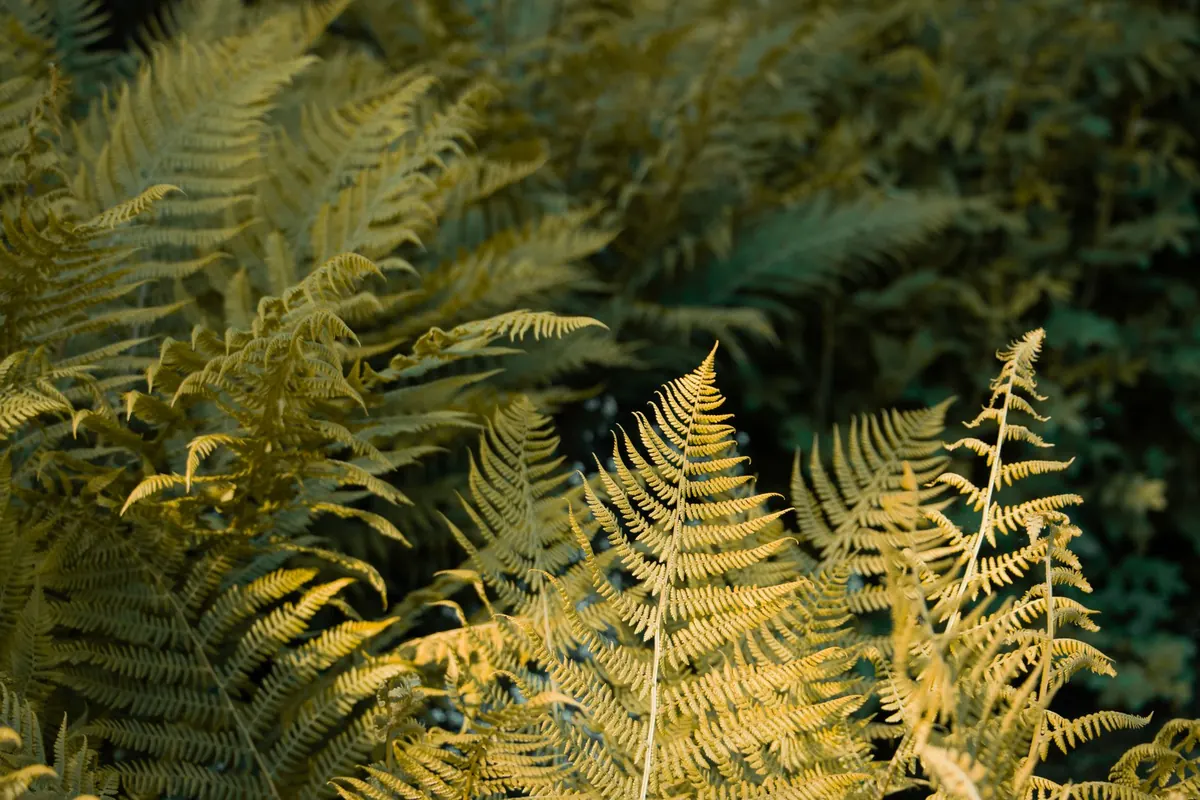
Photo: Maksim Goncharenok / Pexels

Compact ferns for pots and narrow, shady courtyards, chosen for spring, summer, autumn and winter interest, with...
Eight planting combinations that carry a damp, shady UK border through the year, pairing ferns with hellebores,...

A step-by-step guide to collecting, sowing and raising ferns from spores in the UK, from the first green film to...


Your guide to growing and identifying ferns.
